Kerala Monsoon Houseboat Rate Drops by a Third When November Ferry Slows

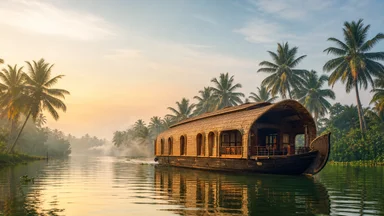
The houseboat rates on Kerala's backwaters follow a predictable rhythm: peak season from December to January pushes prices to ₹8,000–12,000 per night for a standard two-bedroom boat, and travelers often book weeks ahead. But November tells a different story. That's when the ferry schedule slows to two or three runs a day, and houseboat owners drop rates by about a third to fill cabins before the Christmas rush. The difference isn't just in price—it's in the pace of travel itself.
This piece examines why November works for a Kerala trip, what the monsoon shoulder season actually delivers, and how to spend a week there without treating it as a checklist. The angle is practical: when to go, when not to, and what genuinely shifts when the crowds thin.
The November Ferry: Why Houseboat Rates Really Drop
Kerala's backwater ferries are a public transport backbone, connecting villages along the Vembanad Lake and the canals around Alleppey and Kumarakom. During peak tourist months, these ferries run more frequently—sometimes four or five times a day—because local demand rises and houseboat guests use them as shuttle boats to reach markets, temples, or other attractions. In November, the ferry schedule drops to two or three runs daily, partly because school holidays haven't started and partly because the monsoon taper reduces passenger traffic.
This shift matters for houseboat owners. Many guests expect easy access to land for sightseeing, and if the ferry runs less often, owners either arrange private shuttle boats (which cost them money) or risk losing bookings. To avoid that, they drop rates. By mid-November, a standard two-bedroom houseboat that might go for ₹9,000 in December can be found for ₹5,000–7,000 per night, including crew, meals, and a sunset cruise. The discount is not a marketing gimmick—it reflects real operational changes in the backwater transport network.
The effect is visible in booking patterns. According to Rajesh Kumar of Kerala Houseboat Tours in Kochi, November houseboat bookings are roughly 30% lower than in December, not because demand is weak but because supply outstrips it. Owners who kept boats idle during the heavy monsoon months (June–August) are eager to get them moving again. The result is a buyer's market for anyone willing to travel before the December surge.
One caveat: the ferry schedule varies by village. In Alleppey, the main ferry runs fairly reliably, but in smaller hamlets like Kainakary or Nedumudy, the timing can be irregular. Checking with a local homestay owner or the Kerala State Water Transport Department office a day ahead is advisable. The slowdown is predictable, but the exact timetable is not.
What You Actually Get for One-Third Less
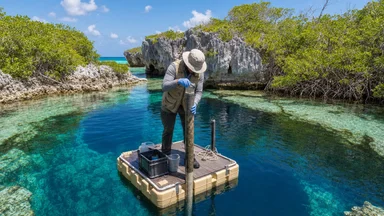
At ₹5,000–7,000 per night, a houseboat in November includes the same crew—usually a chef and a driver—plus three meals and a slow cruise through the backwaters. The food is typically Kerala-style: fish curry, rice, sambar, and vegetables, all cooked on board. The evening cruise takes you past paddy fields, coconut groves, and small villages where children wave from the banks. The difference from peak season is not in the service but in the space. With fewer boats on the water, you can hear the birds and the rustle of palm fronds without engine noise from nearby vessels.
The greenery in November is at its peak. The monsoon rains end by late October, but the landscape remains lush—rice paddies are still green, and the water hyacinths that clog the canals in summer have been cleared by the current. Photographers will find the light softer, with fewer tourists in the frame. The backwaters near Kumarakom, often crowded in December, feel almost private in November.
There is no premium for location. Alleppey and Kumarakom both offer similar rates in November, whereas in December, Alleppey tends to be pricier because of its fame. A traveler can choose either without worrying about a significant price gap. Some houseboat owners also include a canoe ride through narrow canals that larger boats cannot enter—a perk that peak-season operators sometimes charge extra for.
The trade-off is that November evenings can be cooler, dipping to around 22°C, so a light jacket is useful. The air conditioning on the boat may run less because the temperature is mild, but the crew will adjust it on request. Overall, the experience is quieter, greener, and significantly cheaper—but it requires a willingness to accept a slower ferry schedule and fewer organized activities.
Monsoon Shoulder Season: Not What Brochures Claim
Travel brochures for Kerala often picture the monsoon as a time of dramatic downpours and deserted beaches. The reality is more nuanced. June through August sees heavy rain—sometimes 300 mm per month—but November gets only 50–70 mm, mostly in short afternoon showers. Temperatures range from 25°C to 30°C, which is comfortable for sightseeing, though humidity can be high.
Ayurveda treatments are one area where the monsoon shoulder season genuinely offers value. Many resorts in Kerala run monsoon packages with discounts of 20–30% compared to winter rates. Traditional Ayurveda practitioners, such as Dr. Sreejith of Kottakkal Arya Vaidya Sala, often recommend treatments during the rainy season for better absorption of oils and herbs—though this is a cultural preference rather than a clinically proven necessity. Whether or not you subscribe to that, the price difference is real. A week-long package at a reputable center near Kochi might cost ₹25,000 in December but only ₹18,000 in November.
Wildlife spotting also improves in November. In the Periyar Wildlife Sanctuary, the vegetation is less dense after the monsoon, making it easier to see elephants, deer, and birds. The boat rides on the lake are less crowded, and the morning mist adds a dramatic backdrop. However, the sanctuary's guided walks are limited to a certain number of participants, so it's still wise to book a day in advance.
Houseboat engines run slower on the calm waters of November. The backwaters are less choppy than in the monsoon months, and the current is gentle. This means the boat's diesel engine operates at lower RPM, which reduces noise and fuel consumption. Some owners pass the savings on to guests, though it's not a standard practice. The overall effect is a more serene experience, but one that lacks the adrenaline of monsoon river rafting or the festive atmosphere of December.
A 7-Day Kerala Itinerary at a Humane Pace
A week in Kerala does not require a car and a driver every day. The key is to base yourself in two or three locations and use public transport or short taxis between them. The following itinerary is realistic for November, factoring in ferry schedules and opening hours.
Day 1–2: Kochi — Arrive in Kochi (Cochin) and spend the first day exploring Fort Kochi. The Chinese fishing nets at sunset are a cliché but worth seeing. The spice market in Mattancherry is active in the morning, and the Jewish synagogue (closed on Saturdays) offers a glimpse of the region's trading history. On day two, take a ferry from the Ernakulam jetty to Vypin Island for a quieter beach, or join a cooking class that focuses on Kerala fish curry. Accommodation: a heritage hotel in Fort Kochi costs roughly ₹3,000–5,000 per night in November.
Day 3–4: Alleppey houseboat — Take an early morning bus or taxi from Kochi to Alleppey (about 1.5 hours). Board a houseboat around noon and cruise to Kuttanad, the rice bowl of Kerala, where fields are below sea level. The overnight cruise includes dinner and breakfast on board. On day four, disembark in the morning and explore Alleppey town—the lighthouse and the beach are within walking distance. If the ferry schedule allows, take the public ferry to Kumarakom for the afternoon; it runs at least twice daily in November.
Day 5: Munnar — From Alleppey, a taxi to Munnar takes about three hours. The drive through the Western Ghats is scenic, with tea plantations and waterfalls along the way. Spend the afternoon visiting a tea museum and walking through the estates. Munnar's weather in November is pleasant, around 20°C, but it can rain briefly. Accommodation: a mid-range resort costs about ₹4,000–6,000 per night.
Day 6: Periyar wildlife sanctuary — A two-hour drive from Munnar to Thekkady. The Periyar sanctuary offers a morning boat ride on the lake (book by 9 a.m.) and guided nature walks. The best wildlife viewing is early, so plan to arrive the evening before. Entry fees are roughly ₹500 per person for the boat ride. November crowds are thin, but the sanctuary still limits boat capacity to 50 passengers per trip.
Day 7: Varkala and return — From Thekkady, take a taxi to Varkala (about 4 hours), a cliffside beach town. The cliffs offer a dramatic view of the Arabian Sea, and the beach is less crowded than Kovalam. Spend a few hours walking the cliff path before catching a train or taxi back to Kochi airport (2.5 hours). Varkala's November weather is warm, with occasional evening showers. The train from Varkala to Kochi costs about ₹200 in second class and runs roughly every two hours.
This itinerary avoids the common mistake of trying to see too much. It covers three distinct regions—coastal Kochi, backwater Alleppey, and hill station Munnar—without spending more than half a day in transit. The pace allows for unexpected detours, like stopping at a roadside chai stall or watching a local temple festival.
Why November Beats December for Value
December rates for houseboats and hotels roughly double compared to November. The holiday demand from domestic and international tourists pushes prices up, and many properties require minimum stays of two or three nights. In November, you can book a houseboat for a single night without penalty, and hotels often offer discounts for walk-ins.
The November ferry schedule, though slower, still runs reliably on major routes. The Alleppey–Kumarakom ferry, for example, operates at least twice daily, and the Kochi–Vypin ferry runs every 30 minutes during daylight hours. This is sufficient for most itineraries, as long as you plan around the timings. The reduced frequency is a minor inconvenience compared to the savings.
Flight prices from Delhi or Mumbai to Kochi drop by roughly 15–20% in November compared to December, based on data from Skyscanner. The same applies to trains; the overnight sleeper from Bangalore to Kochi is easier to book without advance reservation. Local vendors in spice markets and craft shops offer discounts in November because they are less busy. A kilogram of cardamom that might cost ₹2,000 in December can be negotiated down to ₹1,600 in November.
The only real downside is the lack of major festivals. The snake boat races, which draw huge crowds, happen in August and September. November has no equivalent spectacle. But if you value quiet backwaters and lower costs over festival energy, the trade-off is favorable.
The Fine Print: What November Doesn't Give You
November has limitations. The snake boat races, which are a highlight of Kerala's monsoon season, are over by September. If watching a Nehru Trophy boat race is on your list, you need to visit in August. Similarly, some beach shacks along Varkala and Kovalam start closing by mid-November, as the owners prepare for the peak season. A few remain open, but the selection is narrower.
Evenings in November can be cool, especially near the backwaters. Temperatures drop to around 22°C, and the humidity makes it feel cooler. A light jacket or sweater is advisable for the sunset cruise. The houseboat's air conditioning may not be needed, but the crew can turn it on if the cabin feels stuffy.
Ferry timings vary by village, and the public ferry system does not have a single online schedule. It's best to ask at the local jetty or your accommodation. The houseboat crew can also advise on the best times to catch a ferry for sightseeing. In some remote areas, the ferry may run only once a day, so plan accordingly.
November in Kerala is a compromise: you trade the festival energy and beach-shack abundance of peak season for lower prices, fewer crowds, and a more relaxed pace. For some travelers, the lack of spectacles and the need to plan around ferry schedules may outweigh the savings. Others will find the trade-off worthwhile. The choice depends on what you value most in a trip.